

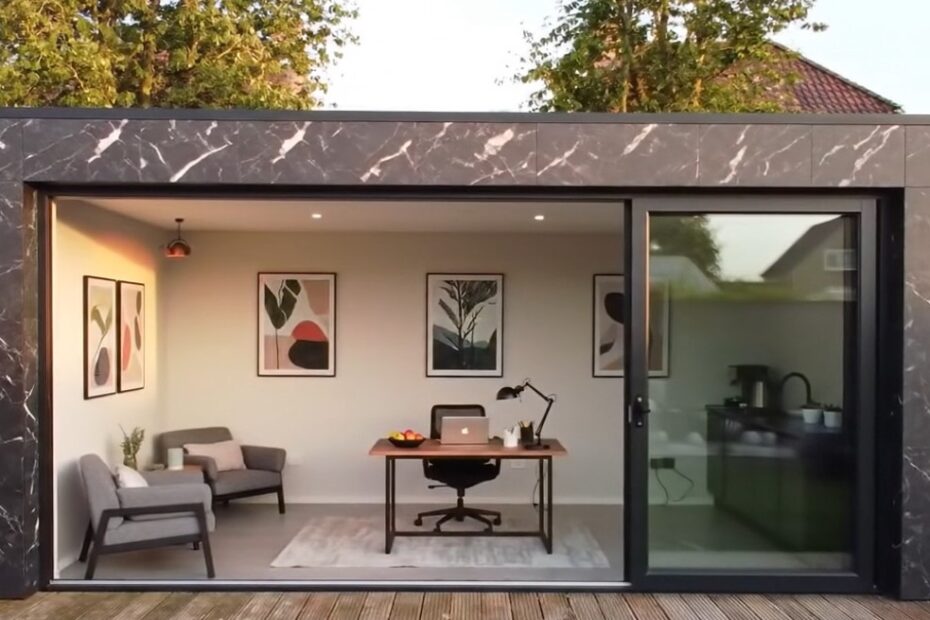
The hospitality industry is constantly evolving, and travelers are increasingly looking for accommodation that offers more than a traditional hotel room. They want nature, privacy, comfort and memorable experiences.
This is one of the main reasons why glamping investment has attracted the attention of entrepreneurs, landowners and tourism investors.
But is glamping a profitable business? The answer depends on several factors, including location, accommodation type, investment costs, nightly rates, occupancy and the overall guest experience.
What Is Glamping Investment?
Glamping, or glamorous camping, combines the experience of staying in nature with the comfort of a hotel.
Unlike traditional camping, modern glamping accommodation can include private bathrooms, comfortable bedrooms, kitchens, heating and cooling systems, panoramic windows, private terraces, saunas and other premium facilities.
For investors, this creates an opportunity to develop relatively small-scale accommodation projects while offering a distinctive hospitality experience.
A glamping investment can range from a small property with a few accommodation units to a large glamping resort investment with dozens of units and extensive facilities.
Is Glamping a Profitable Business?
One of the most common questions from potential investors is: is glamping a profitable business?
It can be, but profitability is not automatic.
The success of a glamping business depends heavily on the relationship between the initial investment and the revenue generated from each accommodation unit.
A well-located glamping site with attractive accommodation can potentially achieve higher nightly rates than basic camping facilities because guests are paying for both accommodation and the overall experience.
Important factors include:
- Location and accessibility
- Initial construction and accommodation costs
- Average nightly price
- Occupancy rate
- Length of the tourism season
- Operating expenses
- Maintenance costs
- Marketing
- Additional guest services
Understanding the Cost of Starting a Glamping Business
Before making a glamping business investment, it is important to calculate the complete project cost.
The accommodation units themselves are only one part of the budget.
Depending on the project, investors may need to consider:
- Land purchase or rental
- Accommodation units
- Transportation and installation
- Electricity infrastructure
- Water and sewage systems
- Roads and parking
- Landscaping
- Furniture
- Kitchens and bathrooms
- Heating and cooling
- Reception facilities
- Outdoor areas
- Saunas, pools or wellness facilities
- Website and booking systems
- Marketing and advertising
Therefore, when asking “how much does it cost to start a glamping business?”, there is no single answer. The required investment can vary significantly depending on the location, number of units and quality of the facilities.
Choosing the Right Glamping Accommodation
The accommodation itself has a major impact on the investment model.
Investors can choose from many different options, including safari tents, domes, wooden cabins, tiny houses, modular rooms and capsule houses.
The right choice depends on the target market and the characteristics of the land.
For example, a premium accommodation unit with a private bathroom, panoramic windows and a private outdoor area may command a significantly higher nightly price than a basic accommodation unit.
Investors should therefore evaluate value rather than simply purchase price.
Location Is One of the Most Important Factors
A beautiful accommodation unit cannot compensate for a poor location.
When evaluating glamping investment opportunities, investors should consider accessibility, tourism demand, surrounding attractions and the natural environment.
A location near a popular tourist destination, lake, coastline, mountain area or major city can offer strong potential.
However, the site should also provide privacy and a genuine connection with nature.
The ideal location combines accessibility with a unique natural experience.
How to Increase Glamping Investment Returns
A successful glamping project should not depend solely on accommodation revenue.
Additional services can increase the total value of each guest.
Depending on the concept, a glamping resort could offer:
- Private saunas
- Hot tubs
- Swimming pools
- Outdoor kitchens
- Breakfast services
- Fire pits
- Guided nature tours
- Wellness activities
- Bicycle rental
- Outdoor dining
- Special romantic packages
These additions can increase the average spending per guest while making the accommodation more attractive.
For this reason, calculating the potential glamping investment return should include both accommodation income and additional revenue streams.
Why Guest Experience Matters
Glamping guests are not simply buying a place to sleep.
They are buying an experience.
The design of the accommodation, the view, privacy, outdoor space, interior comfort and surrounding activities all contribute to the perceived value.
A well-designed luxury glamping accommodation can create strong visual content for social media and encourage guests to share their experience online.
Positive reviews and user-generated content can then become an important part of the marketing strategy.
Small-Scale Glamping Can Be a Good Starting Point
Investors do not necessarily need to develop a large resort from the beginning.
Starting with a limited number of accommodation units can allow an investor to test the market and understand guest demand.
Once the business demonstrates consistent occupancy and revenue, additional units can be added.
This makes glamping particularly interesting for landowners who want to gradually transform unused or underutilized land into a tourism business.
Is Glamping a Good Long-Term Investment?
A glamping project can become a valuable long-term hospitality asset when it is planned correctly.
Unlike a traditional hotel, a glamping site can potentially be developed in stages. New accommodation units and facilities can be added as demand grows.
The flexibility of the business model is one of its advantages.
However, investors should always carry out proper research before committing capital. Local regulations, planning permissions, infrastructure requirements, seasonality and tourism demand must be evaluated carefully.
Choosing the Right Glamping Supplier
The quality of the accommodation directly affects the guest experience and long-term operating costs.
When evaluating glamping accommodation investment, investors should look at more than the initial purchase price.
Important questions include:
- What materials are used?
- How well is the unit insulated?
- Is it suitable for year-round use?
- How durable are the exterior materials?
- What is included in the price?
- How is transportation handled?
- Is installation available?
- What warranty is provided?
- Can the supplier produce additional units as the business grows?
Working with an experienced manufacturer can make it easier to maintain consistent quality as a glamping project expands.
Final Thoughts
So, is glamping a profitable business model?
For the right location, concept and target market, glamping can offer an attractive opportunity in the hospitality sector.
The key is to approach the project as a complete business rather than simply purchasing accommodation units.
A successful glamping investment combines the right location, attractive accommodation, carefully controlled costs, strong marketing and an experience that guests are willing to pay for.
For entrepreneurs and landowners considering a new tourism project, glamping can be an interesting way to turn a unique piece of land into a distinctive and scalable hospitality business.