

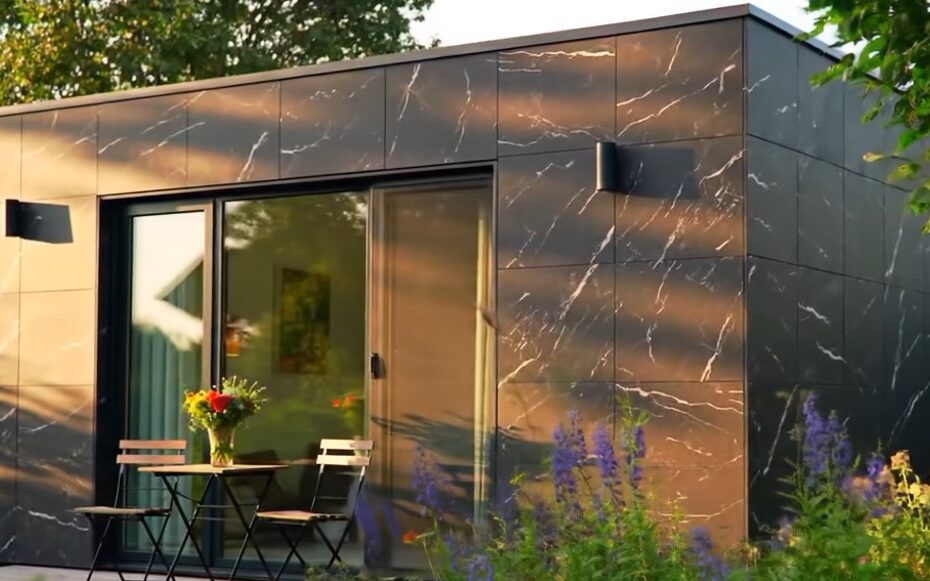
The Ultimate Guide to Building a Profitable Glamping Resort
Building a glamping resort can be an exciting opportunity for landowners, tourism entrepreneurs and hospitality investors who want to create a distinctive accommodation business surrounded by nature.
Unlike a traditional hotel, a glamping resort can be developed around the landscape itself. Forests, mountains, lakes, coastlines and countryside can become an important part of the guest experience.
But a beautiful location alone does not guarantee success.
Building a profitable glamping resort requires careful planning, the right accommodation, efficient infrastructure, a strong business model and an experience that guests are willing to pay for.
This guide explains the key steps involved in developing a successful glamping resort.
1. Start With the Land
The first step in learning how to build a glamping resort is choosing the right land.
The ideal property should offer a combination of natural beauty, accessibility and development potential.
Before purchasing or leasing land, investigate:
- Accessibility and road conditions
- Distance from major cities and tourist destinations
- Natural views
- Privacy
- Electricity availability
- Water supply
- Wastewater solutions
- Internet connectivity
- Local planning regulations
- Environmental restrictions
- Weather and seasonal conditions
The best glamping locations do not necessarily need to be remote. A property that offers a genuine nature experience while remaining easily accessible can have a significant advantage.
2. Define Your Glamping Resort Concept
Before choosing accommodation, decide what type of experience you want to create.
Are you planning a luxury retreat for couples?
A family-friendly nature resort?
A wellness destination?
An adventure-focused property?
Or a premium eco-retreat for international travelers?
Your concept will determine the accommodation, facilities, pricing and marketing strategy.
For example, a luxury wellness resort might combine modern capsule houses, private saunas and outdoor hot tubs.
A family-oriented resort might focus on larger modular accommodation with outdoor kitchens and recreational areas.
A clear concept makes it easier to build a recognizable brand.
3. Understand Your Target Market
A successful glamping resort business plan starts with understanding your guests.
Different customer groups have different expectations.
Couples
Couples often value privacy, romantic surroundings, panoramic views and premium facilities such as private hot tubs or saunas.
Families
Families generally require larger accommodation, practical kitchens, bathrooms and safe outdoor spaces.
Luxury Travelers
Luxury guests may be willing to pay more for premium materials, exceptional views, private wellness facilities and personalized services.
Adventure Travelers
Adventure-focused guests may prioritize access to hiking, cycling, water sports and other outdoor activities.
Understanding these groups helps you decide what accommodation and facilities are worth investing in.
4. Choose the Right Glamping Accommodation
Accommodation is at the heart of your resort.
There are many options, including:
- Luxury cabins
- Capsule houses
- Glamping domes
- Safari tents
- Tiny houses
- Modular hotel units
- Wellness cabins
The right choice depends on your concept, location and target market.
Modern capsule houses, for example, can create a distinctive architectural identity and make excellent use of panoramic views.
Modular units can provide a more traditional hotel-like experience while allowing the resort to expand gradually.
The objective is not simply to find the cheapest accommodation.
The objective is to find accommodation that provides the right balance between investment cost, guest value, durability and revenue potential.
5. Plan the Resort Layout
A successful glamping resort should feel spacious and private.
Placing too many units close together can reduce the sense of exclusivity and connection with nature.
When planning the layout, consider:
- Distance between accommodation units
- Privacy
- Views
- Walking paths
- Vehicle access
- Parking
- Reception location
- Common areas
- Landscaping
- Outdoor activity areas
Each accommodation unit should ideally have its own sense of space.
Privacy can be particularly valuable for couples and premium travelers.
6. Plan Infrastructure Before Accommodation
One of the most common mistakes in glamping resort development is focusing on accommodation before considering infrastructure.
Every unit needs appropriate access to essential services.
Depending on the location, you may need:
- Electricity
- Water
- Wastewater systems
- Internet
- Roads
- Parking
- Drainage
- Lighting
- Waste management
These costs can have a major impact on your overall glamping resort development costs.
Infrastructure should therefore be planned before the accommodation units are ordered.
7. Design for Comfort and Year-Round Operation
Glamping may be inspired by camping, but guests increasingly expect hotel-level comfort.
Important features can include:
- Effective insulation
- Heating and cooling
- Private bathrooms
- Hot water
- Comfortable beds
- Kitchens
- Quality windows and doors
- Ventilation
- Private outdoor areas
If your location experiences cold winters or hot summers, accommodation should be designed accordingly.
Year-round comfort can also extend your operating season and potentially improve your investment returns.
8. Add Facilities That Increase Guest Value
The accommodation is only part of the resort.
Additional facilities can make the property more attractive and create opportunities for higher revenue.
Consider facilities such as:
- Garden kitchens
- Private saunas
- Hot tubs
- Swimming pools
- Fire pits
- Outdoor dining areas
- Wellness spaces
- Yoga areas
- Restaurants or cafés
The best facilities are those that fit naturally with your concept and target market.
For example, a wellness resort may benefit more from saunas and treatment areas than from a large restaurant.
9. Build a Realistic Financial Model
A glamping resort investment should always be supported by realistic financial calculations.
Estimate both your initial investment and ongoing operating costs.
Initial investment may include:
- Land
- Accommodation
- Site preparation
- Infrastructure
- Transportation
- Installation
- Landscaping
- Furniture
- Reception
- Common areas
- Marketing and website development
Operating expenses may include:
- Staff
- Cleaning
- Utilities
- Maintenance
- Landscaping
- Marketing
- Booking platform commissions
- Insurance
- Repairs
Then estimate your potential revenue based on:
Number of units × average nightly rate × occupancy rate
Do not build your financial model around 100% occupancy.
Use conservative, realistic assumptions and consider both high and low seasons.
10. Calculate Your Return on Investment
A profitable glamping business requires a clear understanding of return on investment.
For example, a property with fewer premium units may potentially generate more revenue per unit than a large resort offering basic accommodation.
The important question is not simply:
“How many units can I fit on the land?”
Instead, ask:
“How much value can each unit generate?”
A private accommodation unit with a panoramic view, sauna and outdoor living area may have significantly greater revenue potential than a basic unit without these features.
11. Create a Strong Brand
Glamping is an experience-driven business, so branding matters.
Your name, logo, accommodation design, website, photography and social media should communicate the same concept.
A strong glamping brand should make potential guests immediately understand what makes the property special.
Think about the emotions you want your guests to associate with the resort:
privacy, nature, luxury, adventure, wellness or escape.
This identity should influence every part of the guest journey.
12. Invest in Professional Photography and Marketing
Glamping is highly visual.
High-quality photographs can have a major impact on bookings.
Show potential guests:
- The accommodation
- Interior design
- Views
- Outdoor spaces
- Nighttime atmosphere
- Facilities
- Surrounding nature
- Guest experiences
Your website should also make booking simple.
Search engine optimization can help attract travelers searching for terms such as “luxury glamping resort,” “unique accommodation in nature” and “best glamping resorts.”
For investors and business owners, content targeting searches such as “how to start a glamping resort” and “glamping resort investment” can also generate valuable business leads.
13. Think About Additional Revenue Streams
Accommodation does not have to be your only source of revenue.
Depending on your concept, additional income could come from:
- Breakfast
- Restaurant services
- Wellness treatments
- Sauna experiences
- Outdoor activities
- Bicycle rental
- Special packages
- Private events
- Corporate retreats
These additional services can increase the total value of each guest and help diversify your revenue.
14. Build in Phases
One of the major advantages of glamping is the possibility of phased development.
Instead of building a large resort immediately, you could start with a smaller number of units.
For example:
Phase 1: Accommodation + essential infrastructure
Phase 2: Additional units + wellness facilities
Phase 3: Restaurant, reception and additional guest experiences
This approach allows investors to test demand before committing to a larger expansion.
It can also make financing and cash-flow management easier.
15. Choose the Right Manufacturing Partner
Your accommodation is a long-term investment.
Therefore, choosing the right manufacturer is critical.
Look beyond the initial price and evaluate:
- Construction quality
- Materials
- Insulation
- Durability
- Customization options
- Transportation
- Installation
- Warranty
- After-sales support
- Production capacity
A reliable manufacturing partner should also be capable of supporting future expansion.
If you plan to add 10 more units later, maintaining consistent design and quality can be extremely important for your brand.
Common Mistakes to Avoid
When developing a glamping resort, investors should avoid several common mistakes.
Choosing Land Without Checking Regulations
Beautiful land is not automatically suitable for tourism development.
Always investigate local planning and regulatory requirements before making a major investment.
Focusing Only on Purchase Price
The cheapest accommodation is not necessarily the most profitable.
Consider durability, maintenance, energy efficiency and potential nightly rates.
Overbuilding Too Early
A large resort is not always the best starting point.
Testing the market with a smaller project can reduce risk.
Ignoring Guest Privacy
Glamping guests often choose the experience because they want to escape crowded environments.
Give each accommodation enough space and privacy.
Underestimating Infrastructure
Roads, electricity, water and wastewater can represent a significant part of the project budget.
Plan them from the beginning.
Final Thoughts
Building a profitable glamping resort is a combination of hospitality, real estate, design and careful investment planning.
The most successful projects start with the right land and a clear concept. They then combine high-quality accommodation, efficient infrastructure, attractive guest facilities and a strong marketing strategy.
You do not necessarily need hundreds of units to create a successful resort.
A smaller property with exceptional accommodation, privacy and a memorable guest experience can become a powerful hospitality business.
Ready to Build Your Glamping Resort?
If you are a landowner, tourism investor or hospitality developer planning a new glamping project, the next step is to turn your concept into a practical development plan.
Glampbox offers modern accommodation solutions for glamping projects, including capsule houses, modular accommodation and complementary outdoor solutions.
Have land and a glamping project in mind? Contact Glampbox to discuss your accommodation concept, project requirements and expansion plans.