

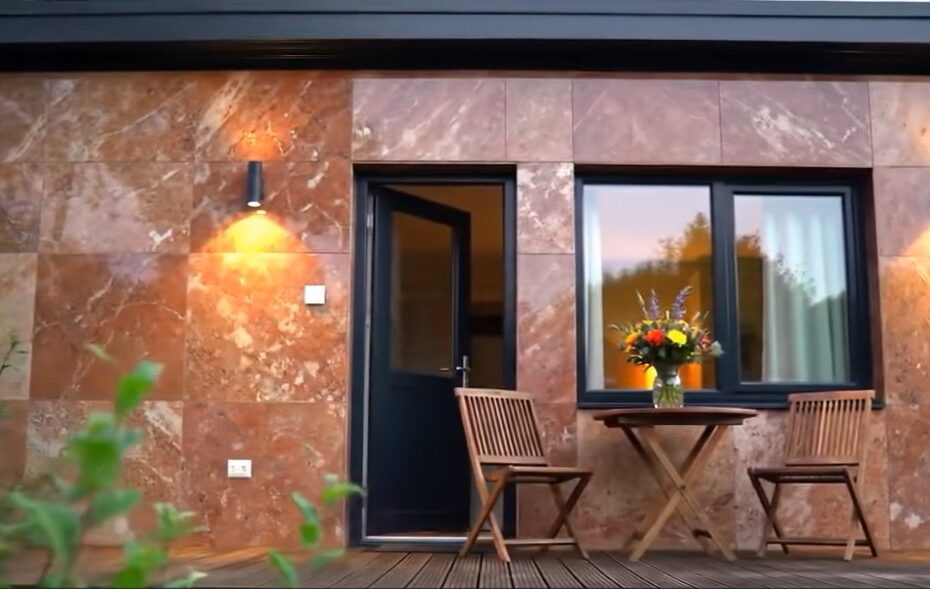
Glamping vs Traditional Hotels: Which Is a Better Investment?
When investing in tourism and hospitality, traditional hotels have long been one of the most familiar business models. However, travelers are increasingly looking for accommodation that offers privacy, nature and memorable experiences rather than simply a conventional hotel room.
This has made glamping vs traditional hotels an increasingly interesting comparison for investors.
Both models can be successful, but they require different approaches to land, construction, investment, operations and guest experience.
So, is glamping more profitable than hotels? There is no universal answer, but understanding the differences can help investors choose the model that best fits their goals.
Glamping vs Traditional Hotels: The Main Difference
The biggest difference is the experience they sell.
A traditional hotel generally focuses on standardized rooms, professional services and centralized facilities.
Glamping combines accommodation with the surrounding natural environment. A private cabin, capsule house, dome or modular unit can become part of the destination itself.
Instead of simply selling a room for the night, a glamping business sells an experience that can include:
- Nature and scenery
- Privacy
- Outdoor living
- Unique architecture
- Wellness facilities
- Private terraces
- Outdoor kitchens
- Fire pits
- Saunas and hot tubs
This difference is important when comparing a glamping business vs hotel business.
Initial Investment: Glamping Can Offer More Flexibility
One of the first questions investors ask is the cost of starting a glamping business compared with building a hotel.
A traditional hotel normally requires a substantial building, multiple floors or rooms, common areas, reception facilities, kitchens, restaurants, elevators, parking and extensive infrastructure.
A glamping project can often be developed on a smaller scale.
An investor might begin with a few accommodation units and expand the property gradually as demand grows.
This scalability can make glamping accommodation investment attractive for entrepreneurs who do not want to commit to a large hotel project from the beginning.
However, glamping still requires careful planning for roads, electricity, water, wastewater, landscaping and other infrastructure.
Land Requirements
Traditional hotels are usually concentrated in urban areas, tourist centers or established resort locations.
Glamping has a different relationship with land.
A successful glamping property often depends on its natural surroundings. Forests, mountains, lakes, coastlines and countryside locations can all provide opportunities.
The land itself becomes part of the guest experience.
This means investors should not simply ask:
“How much land do I need?”
They should ask:
“What experience can this land provide?”
A smaller property with exceptional views and privacy may be more attractive than a much larger property without a distinctive character.
Construction and Development Speed
Another important factor when comparing hotel investment vs glamping investment is development flexibility.
Traditional hotels generally involve extensive architectural design, construction and permitting processes.
Glamping projects can sometimes be developed in stages.
For example, an investor could start with five accommodation units, create the necessary infrastructure and begin operations. Additional units can then be introduced as the business grows.
The exact development process will always depend on local planning and construction regulations, but the ability to scale gradually can be an important advantage.
Guest Experience
Hotels offer convenience and standardized service.
Glamping offers something different: a stronger connection with nature.
Guests may wake up to a mountain view, have breakfast on a private terrace or relax in a sauna surrounded by trees.
For many travelers, these experiences are the reason they choose glamping instead of a conventional hotel.
This is particularly important for couples, families and travelers searching for unique places to stay in nature.
Accommodation Variety
Hotels generally offer rooms and suites within a larger building.
Glamping businesses can use a much wider variety of accommodation types.
Popular options include:
- Luxury cabins
- Capsule houses
- Glamping domes
- Safari tents
- Tiny houses
- Modular accommodation
- Treehouses
- Wellness cabins
This variety allows investors to create a property with a distinctive identity.
For example, a forest retreat could combine modern capsule houses with private saunas, while a family-oriented resort could use larger modular units with outdoor kitchens.
Revenue Potential
Revenue depends on many variables, so it is difficult to say that one model is always more profitable.
A hotel can generate revenue from hundreds of rooms, restaurants, conference facilities and other services.
A glamping business may operate with fewer units but potentially charge premium prices for privacy, design and unique experiences.
For example, a private accommodation unit with a panoramic view, outdoor hot tub and sauna can command a higher nightly rate than a basic camping pitch.
The important calculation is not simply the number of rooms or units.
Investors should compare:
Average nightly rate × occupancy × number of units − operating costs
This provides a more useful starting point for evaluating a profitable glamping business.
Operating Costs
Operating costs are another major consideration.
Hotels typically require larger teams for reception, housekeeping, food and beverage, maintenance and other services.
A smaller glamping property may be able to operate with a leaner team, particularly when accommodation units are designed for efficient cleaning and maintenance.
However, glamping properties can have their own expenses, including landscaping, outdoor facilities, transportation between units and maintenance of individual accommodation structures.
The operating model should therefore be designed before investment decisions are finalized.
Seasonality
Seasonality can affect both hotels and glamping businesses.
A city hotel may benefit from business travel and events throughout much of the year, while a beach resort may have a more concentrated season.
Glamping properties can also be seasonal, particularly when accommodation is not designed for colder weather.
However, well-insulated and properly equipped accommodation can potentially extend the operating season.
Facilities such as saunas, fireplaces, wellness areas and winter-friendly outdoor experiences can also help attract guests outside the traditional summer period.
Marketing Advantages of Glamping
Glamping has one significant marketing advantage: it is highly visual.
A distinctive accommodation unit can generate attractive photographs and videos for websites, social media and travel platforms.
A traditional hotel room can be comfortable and attractive, but a panoramic capsule house overlooking a forest or a private cabin with a sauna can create a much stronger visual impression.
This can help a glamping business generate organic interest and encourage guests to share their experiences.
Which Business Model Is Easier to Scale?
Both models can scale, but they do so differently.
A hotel usually scales by adding rooms, floors or additional properties.
A glamping business can scale by adding individual accommodation units and complementary facilities.
This can provide greater flexibility for landowners and investors.
A successful property could gradually add:
- More accommodation units
- Reception facilities
- Garden kitchens
- Saunas
- Swimming pools
- Wellness areas
- Restaurants or cafés
- Outdoor activity areas
This makes glamping investment opportunities particularly interesting for investors who prefer a phased development strategy.
Glamping vs Traditional Hotels: Quick Comparison
| Factor | Glamping | Traditional Hotel |
|---|---|---|
| Initial investment | Flexible, depending on project size | Usually high |
| Development approach | Can be phased | Usually larger initial development |
| Location | Nature-focused | Urban, resort or tourist locations |
| Guest experience | Nature, privacy and uniqueness | Comfort, convenience and services |
| Accommodation | Cabins, domes, tents, capsule houses, modular units | Rooms and suites |
| Operating model | Can operate with a smaller team | Usually requires larger staff |
| Expansion | Add units gradually | Expand rooms or properties |
| Visual marketing | Very strong | Strong, but more standardized |
| Connection with nature | High | Usually limited |
| Target market | Couples, families, nature and experience travelers | Broad tourism and business market |
Which Is the Better Investment?
The answer depends on the investor.
A traditional hotel may be the better choice for an investor with substantial capital, a prime urban or resort location and a business model based on high room capacity and extensive services.
Glamping may be more suitable for an investor who has access to attractive land and wants to create a distinctive hospitality concept with a potentially lower initial scale.
The key advantage of glamping is flexibility.
You can start small, test the market, develop your brand and expand according to demand.
Final Thoughts
The question of glamping vs traditional hotels is not really about which model is universally better.
It is about which model fits the location, investment budget, target market and long-term business strategy.
Hotels remain a powerful and proven hospitality model. Glamping, however, offers investors an alternative approach based on nature, privacy, unique accommodation and experiential travel.
For entrepreneurs with the right location and a strong concept, a well-planned glamping business can provide an attractive alternative to traditional hotel investment.
The most important step is to evaluate the land, target guests, total investment, expected revenue and operating costs before making a decision.
Glamping vs Traditional Hotels: Which Is a Better Investment?
Ready to Explore Your Glamping Investment?
Choosing the right hospitality investment starts with the right concept, location and accommodation partner.
If you are a landowner, tourism investor or hospitality developer considering a glamping project, Glampbox can help you turn your vision into a scalable accommodation concept.
From modern capsule houses and modular accommodation to complete glamping solutions, the right accommodation can help you create a distinctive destination, attract premium guests and build long-term value.
Have land and an idea for a glamping project?
Explore your options with Glampbox and take the next step toward developing your own glamping business.
Contact Glampbox today to discuss your project, accommodation options and investment goals.