

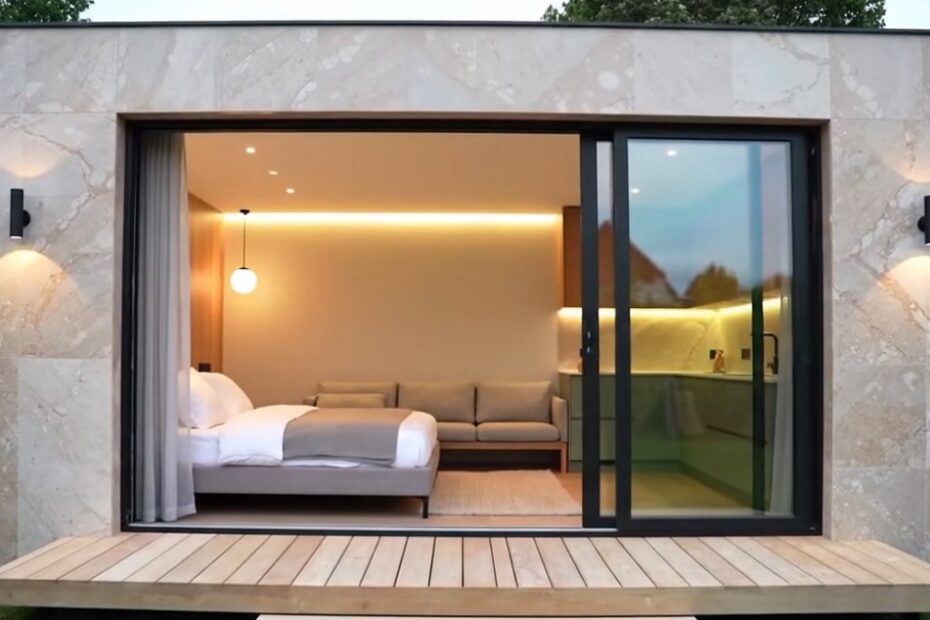
Glamping has become an increasingly popular alternative to traditional accommodation, combining the comfort of a hotel with the freedom and natural experience of camping. For entrepreneurs and landowners, this creates an attractive opportunity to develop a unique hospitality business in nature.
But how do you start a glamping business from scratch? A successful glamping project requires more than simply placing a few accommodation units on a piece of land. Location, accommodation design, guest experience, infrastructure, marketing and business planning all play an important role.
1. Choose the Right Location
The first step in starting a successful glamping business is choosing the right location.
A good glamping site should offer guests something they cannot easily experience in a conventional hotel. Forests, mountains, lakesides, coastal areas and countryside locations can all provide attractive opportunities.
However, natural beauty is only one part of the equation. Before investing in land, consider:
- Accessibility by car
- Distance from major cities and airports
- Local tourism demand
- Electricity and water availability
- Road and infrastructure requirements
- Local planning and construction regulations
- Privacy and views
- Nearby attractions and activities
A beautiful location with difficult access may be less profitable than a well-connected site with slightly less spectacular scenery.
2. Define Your Glamping Concept
One of the most important glamping business ideas is to create a clear concept before purchasing accommodation units.
Think about who you want to attract.
Will your guests be couples looking for a romantic weekend? Families searching for an outdoor holiday? Adventure travelers? Luxury travelers? Or tourists looking for an unusual accommodation experience?
Your target audience will influence almost every decision, including accommodation, interior design, facilities, pricing and marketing.
For example, a luxury glamping resort may include private bathrooms, outdoor kitchens, hot tubs, saunas and large panoramic windows. A more affordable nature retreat may focus on simple but comfortable accommodation surrounded by nature.
3. Select the Right Glamping Accommodation
Choosing the right accommodation is one of the biggest decisions in a glamping project.
There are many options available, including:
- Glamping tents
- Safari tents
- Wooden cabins
- Tiny houses
- Modular hotel rooms
- Capsule houses
- Dome structures
- Garden accommodation units
For investors looking for a durable, comfortable and visually distinctive solution, modular and capsule-style accommodation can be particularly interesting.
The ideal accommodation should combine attractive design with practical features such as insulation, bathroom facilities, heating and cooling options, comfortable sleeping areas and large windows.
4. Create a Comfortable Guest Experience
Modern glamping guests expect more than a bed in the middle of nature.
The main advantage of glamping is the combination of nature and comfort.
Depending on your concept and target market, you can add facilities such as:
- Private bathrooms
- Outdoor kitchens
- Garden furniture
- Fire pits
- Private terraces
- Garden saunas
- Hot tubs
- Swimming pools
- Outdoor dining areas
- Panoramic windows
These facilities can increase the perceived value of your accommodation and help you charge a higher nightly rate.
5. Prepare a Realistic Glamping Business Plan
Before construction begins, prepare a detailed glamping business plan.
Your plan should include the initial investment as well as ongoing operating expenses.
Consider costs such as:
- Land
- Accommodation units
- Transportation and installation
- Electricity and water infrastructure
- Landscaping
- Furniture and equipment
- Bathrooms and kitchens
- Website and booking system
- Marketing
- Cleaning and maintenance
- Staff
- Insurance and local permits
You should also estimate your expected occupancy rate and average nightly price.
For example, if you have 10 accommodation units, your business model should calculate potential revenue at different occupancy levels rather than assuming that every unit will be occupied every night.
6. Calculate Your Return on Investment
A profitable glamping business depends on finding the right balance between investment and revenue.
Do not focus only on the purchase price of your accommodation. Consider the complete cost of developing the site.
A slightly more expensive accommodation unit may generate better returns if it offers:
- Higher guest capacity
- Better insulation
- Lower maintenance requirements
- A stronger visual identity
- Higher nightly rates
- Better guest reviews
- Longer seasonal operation
The goal is not simply to build the cheapest glamping site. The goal is to create an accommodation business that provides a strong return on investment over the long term.
7. Build a Strong Online Presence
A beautiful glamping resort needs to be easy to find online.
Your website should clearly show your accommodation, location, facilities, prices and booking options.
High-quality photography and video are particularly important because glamping is a highly visual hospitality concept.
Search engine optimization can also help potential guests discover your business when they search for terms such as:
“luxury glamping near me,” “best glamping accommodation,” “romantic glamping getaway” or “unique places to stay in nature.”
For investors and developers, content targeting searches such as “how to build a glamping site” and “glamping resort investment” can also attract valuable business leads.
8. Think Beyond Accommodation
A successful glamping resort is not only about where guests sleep.
Think about what guests will do during their stay.
Depending on your location, you could offer:
- Hiking
- Cycling
- Horse riding
- Fishing
- Water sports
- Yoga
- Wellness activities
- Sauna experiences
- Local food experiences
- Guided nature tours
Creating experiences gives guests another reason to choose your property and can create additional revenue streams.
9. Start Small and Expand
You do not necessarily need dozens of units to start a glamping business.
A smaller project can be a good way to test your concept, understand your target market and learn how guests respond to your accommodation.
Once occupancy and demand are proven, additional units and facilities can be added gradually.
This approach can reduce initial risk while allowing the business to grow according to real market demand.
10. Choose Reliable Glamping Suppliers
The quality of your accommodation will directly affect the guest experience.
When choosing a manufacturer or supplier, look beyond the initial price. Ask about materials, insulation, durability, transportation, installation, warranty and after-sales support.
For larger glamping projects, it is also useful to work with a manufacturer that can provide different accommodation types and complementary products such as modular rooms, garden kitchens, saunas and reception units.
Conclusion
Starting a glamping business can be an exciting opportunity for entrepreneurs, landowners and hospitality investors. However, success depends on careful planning rather than simply buying accommodation units and placing them on a beautiful piece of land.
Choose the right location, define a clear concept, understand your target guests and invest in comfortable, durable accommodation. Most importantly, create an experience that gives people a reason to visit, stay longer and return.
With the right combination of location, accommodation, guest experience and business planning, a well-designed glamping site can become a valuable and scalable hospitality investment.