

How to Choose the Right Glamping Accommodation for Your Business
Choosing the right glamping accommodation is one of the most important decisions when starting or expanding a glamping business.
The accommodation you choose will affect your initial investment, nightly rates, operating costs, guest experience and even the type of customers you attract.
With so many options available—from safari tents and domes to cabins, tiny houses, modular units and capsule houses—it can be difficult to know which solution is right for your property.
In this guide, we look at the key factors you should consider before investing in glamping accommodation.
1. Start With Your Target Guest
The first question should not be “Which accommodation looks best?”
It should be:
“Who do I want to attract?”
Different guests have different expectations.
Couples may prefer private and romantic accommodation with panoramic views, a terrace, hot tub or sauna.
Families usually need more interior space, separate sleeping areas, bathrooms and kitchen facilities.
Luxury travelers may expect premium materials, high-quality interiors and private wellness facilities.
Adventure travelers, on the other hand, may prefer a more authentic outdoor experience.
Understanding your target audience will make it much easier to choose the best glamping accommodation for your business.
2. Consider Your Location
Your land should influence the accommodation you select.
A beautiful mountain, forest, lake or coastal location can become a major selling point when the accommodation is designed to take advantage of the views.
For example, accommodation with large panoramic windows can be ideal for locations with spectacular landscapes.
If privacy is the main attraction of your property, individual units with private terraces and outdoor areas may be more suitable.
Before purchasing any unit, consider:
- Landscape and views
- Climate
- Wind and snow conditions
- Accessibility
- Available infrastructure
- Land size
- Local regulations
- Seasonal conditions
The right glamping accommodation for a tourism business should work with the land rather than against it.
3. Decide How Much Comfort You Want to Offer
Glamping is different from traditional camping because comfort is an important part of the experience.
Modern guests increasingly expect facilities such as:
- Comfortable beds
- Private bathrooms
- Heating and cooling
- Kitchen facilities
- Hot water
- Wi-Fi
- Private terraces
- Comfortable outdoor furniture
If you are targeting the premium market, you may also consider private saunas, hot tubs, outdoor kitchens or swimming pools.
The more comfortable and complete the accommodation is, the easier it can be to position your business as a premium destination.
4. Compare Different Types of Glamping Accommodation
There is no universal solution for every glamping project.
Glamping Tents
Safari tents and luxury tents provide a strong connection with traditional camping while offering significantly more comfort.
They can be a good option for businesses looking for an authentic outdoor atmosphere.
Glamping Domes
Domes offer a distinctive architectural appearance and are particularly attractive for couples and nature-focused travelers.
Their design can also create strong visual content for websites and social media.
Tiny Houses
Tiny houses combine compact design with the comfort of a small home.
They can be suitable for smaller plots and minimalist accommodation concepts.
Modular Accommodation
Modular units offer flexibility and can be added gradually as the business grows.
They can also provide a more permanent and hotel-like accommodation experience.
Capsule Houses
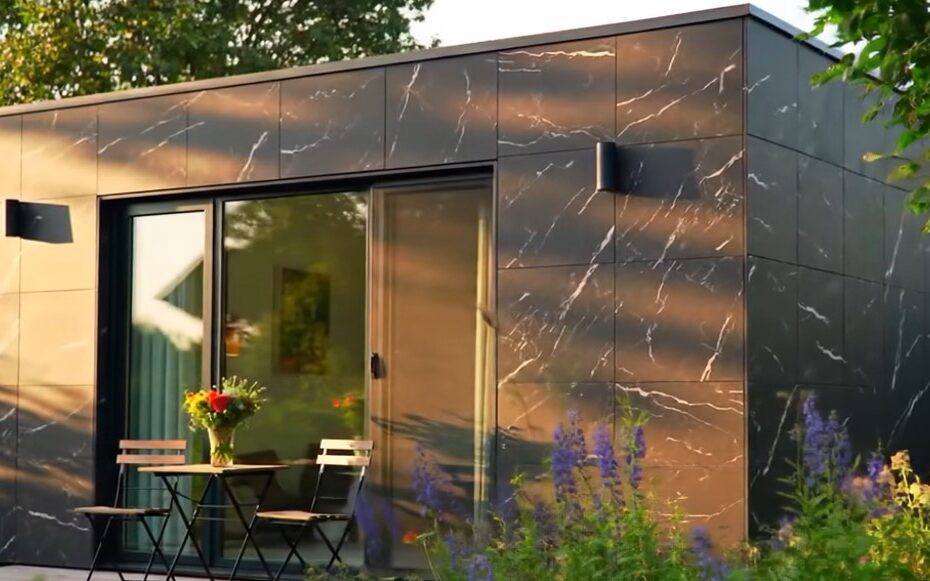
Modern capsule houses can provide a distinctive architectural identity while making excellent use of panoramic views.
For businesses looking for modern glamping accommodation, capsule houses can be an interesting alternative to traditional cabins and tents.
5. Think About Your Investment Budget
Your initial budget is obviously important, but you should not compare accommodation units based only on their purchase price.
A cheaper unit may require more maintenance or provide fewer facilities.
A higher-quality unit may have a higher initial cost but allow you to charge a higher nightly rate and operate for a longer period.
When calculating your glamping accommodation investment, consider the complete cost, including:
- Purchase price
- Transportation
- Installation
- Site preparation
- Electrical connections
- Water and sewage
- Furniture
- Kitchen equipment
- Heating and cooling
- Maintenance
- Cleaning
Looking at the total cost of ownership will give you a more realistic picture of the investment.
6. Calculate Your Potential Revenue
Your accommodation should support your business model.
Before making a purchase, estimate the potential nightly rate and occupancy level.
For example, a premium unit with a private sauna and panoramic view may be able to command a higher price than a basic accommodation unit.
However, the higher price only works if the target market values those features.
Ask yourself:
How much are guests willing to pay for this experience?
Then compare the expected revenue with the total investment and operating costs.
This is essential when building a profitable glamping accommodation business.
7. Consider Year-Round Operation
Seasonality can have a major impact on a glamping business.
If your accommodation is only comfortable during warm weather, your operating season may be limited.
For businesses that want to operate throughout the year, insulation and climate control become particularly important.
Look for accommodation with:
- Effective thermal insulation
- Suitable heating systems
- Ventilation
- Quality windows and doors
- Weather-resistant exterior materials
- Proper moisture protection
A well-insulated unit can provide a more comfortable guest experience while potentially reducing energy costs.
8. Prioritize Design and Guest Experience
Design is one of the strongest marketing tools in glamping.
Guests often choose accommodation because they see an attractive image online and imagine themselves staying there.
This means your accommodation should be both functional and visually appealing.
Large windows, natural materials, comfortable interiors and private outdoor spaces can help create an emotional connection with potential guests.
A distinctive design can also help your business stand out in an increasingly competitive market.
9. Think About Maintenance and Durability
Your accommodation will be used by many different guests throughout the year.
That means durability matters.
When evaluating durable glamping accommodation, pay attention to the quality of the structure, exterior materials, insulation, windows, doors, plumbing and interior finishes.
Ask the manufacturer about:
- Expected lifespan
- Warranty
- Replacement parts
- Maintenance requirements
- Weather resistance
- After-sales support
Choosing reliable construction from the beginning can help reduce unexpected costs later.
10. Choose a Supplier That Can Grow With You
Your first accommodation unit may not be your last.
If your business is successful, you may want to add more units in the future.
Therefore, it is useful to work with a manufacturer that can maintain consistent quality and design across multiple units.
This is especially important for larger glamping accommodation investment projects.
A reliable supplier should be able to discuss production, transportation, installation, customization and future expansion with you.
Make the Accommodation Part of the Experience
The best glamping businesses do not simply sell accommodation.
They sell an experience.
A beautiful view, comfortable interior, private outdoor space, sauna, outdoor kitchen or unique architectural design can all become part of that experience.
When selecting your accommodation, think about what guests will remember after they leave.
Will they take photographs?
Will they recommend the property to friends?
Will they want to return?
These questions are just as important as the technical specifications.
Compare Glamping Accommodation Types
| Glamping Accommodation | Best For | Comfort Level | Investment Level | Key Advantage | Potential Challenge |
|---|---|---|---|---|---|
| Luxury Cabin | Couples, families, luxury travelers | ⭐⭐⭐⭐⭐ | High | Hotel-like comfort and year-round potential | Higher initial investment |
| Capsule House | Couples, premium travelers | ⭐⭐⭐⭐⭐ | Medium–High | Modern design and panoramic views | Requires careful site planning |
| Glamping Dome | Couples, experience seekers | ⭐⭐⭐⭐ | Medium | Unique design and strong visual appeal | Climate control can be important |
| Safari Tent | Families, adventure travelers | ⭐⭐⭐⭐ | Medium | Authentic outdoor experience | Seasonal suitability can vary |
| Tiny House | Couples, small families | ⭐⭐⭐⭐ | Medium | Compact and efficient use of space | Limited interior space |
| Modular Unit | Resorts, investors, developers | ⭐⭐⭐⭐⭐ | Medium–High | Easy to scale and customize | Requires infrastructure planning |
Quick Decision Guide
- Best for luxury: Luxury Cabin
- Best for modern design: Capsule House
- Best for romantic stays: Glamping Dome
- Best for authentic camping: Safari Tent
- Best for compact projects: Tiny House
- Best for scalable businesses: Modular Unit
Final Thoughts
Choosing the right glamping accommodation requires more than comparing prices and designs.
You need to consider your target guests, location, climate, investment budget, expected revenue, operating season, maintenance requirements and future expansion plans.
The best accommodation is the one that fits your business model and creates real value for your guests.
Whether you choose a luxury cabin, dome, safari tent, tiny house, modular unit or modern capsule house, focus on the same fundamentals: comfort, quality, design, durability and a memorable connection with nature.
With the right accommodation choice, your glamping property can stand out from competitors, attract more guests and build a stronger long-term hospitality business.
How to Choose the Right Glamping Accommodation for Your Business